
The Ultimate Guide to Styling Your Sherwarni Look

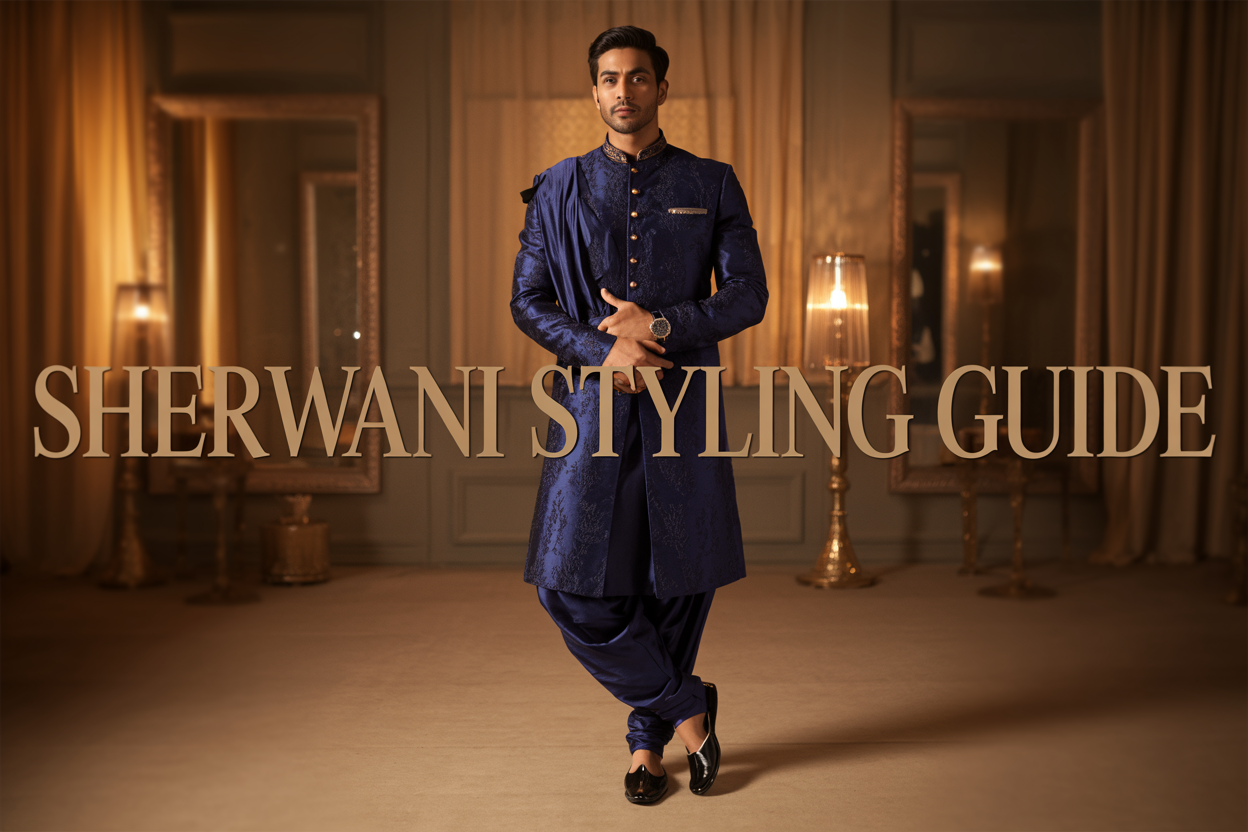
Getting ready for a wedding, festival, or special celebration? A well-styled sherwani can transform your entire look and boost your confidence. This comprehensive sherwani styling guide is designed for modern men who want to master traditional Indian menswear while looking effortlessly elegant.
Finding the perfect sherwani goes beyond just picking a beautiful piece – it’s about understanding what works for your body type, personality, and the occasion. Many guys struggle with color coordination, choosing the right accessories, or knowing which bottom wear creates the best silhouette.
In this guide, we’ll walk through everything you need to know about men’s sherwani fashion. You’ll discover how to choose flattering styles that complement your body type, master the art of color coordination for stunning results, and learn professional grooming tips that pull your entire look together. Ready to become a sherwani styling expert?
Understanding Your Body Type for Perfect Sherwani Fit
Identifying Your Body Shape and Proportions
Getting the perfect sherwani fit starts with understanding your unique body type. Men’s bodies typically fall into five main categories: athletic, lean, heavy-set, tall and slender, or short and stocky. Take honest measurements of your chest, waist, and shoulder width to determine your proportions.
Athletic builds feature broad shoulders and a tapered waist, while lean frames have minimal muscle definition with straight lines. Heavy-set body types carry weight around the midsection, and tall men often struggle with sleeve and torso length. Shorter men need to create the illusion of height through strategic styling choices.
Stand in front of a mirror and assess where your body carries weight, how your shoulders compare to your hips, and whether you have a defined waistline. This assessment forms the foundation of your sherwani styling guide decisions.
Choosing the Right Sherwani Silhouette for Your Frame
Different body types require specific silhouettes to look their best. Athletic men should opt for fitted sherwanis that showcase their build without being too tight. The classic straight-cut style works perfectly, emphasizing broad shoulders while maintaining a clean line.
Lean frames benefit from sherwanis with subtle embellishments or patterns that add visual weight. Choose styles with a slightly relaxed fit through the torso to create the appearance of a fuller physique. Nehru collar designs work exceptionally well for this body type.
Heavy-set men should select sherwanis with a straight or A-line silhouette that skims the body without clinging. Avoid tight-fitting styles that emphasize the midsection. Look for pieces that fall just below the hip for the most flattering proportions.
| Body Type | Recommended Silhouette | Style Features |
|---|---|---|
| Athletic | Fitted, straight-cut | Defined waistline, structured shoulders |
| Lean | Relaxed fit | Embellishments, textured fabrics |
| Heavy-set | Straight or A-line | Loose through torso, longer length |
| Tall | Any style | Focus on proportional accessories |
| Short | Fitted, shorter length | High-button stance, minimal bulk |
Avoiding Common Fit Mistakes That Ruin Your Look
The wrong sherwani fit can destroy even the most expensive outfit. One major mistake is choosing a size too large, thinking it looks more comfortable. Oversized sherwanis make you appear sloppy and can overwhelm your frame, especially if you’re on the shorter side.
Tight-fitting sherwanis create the opposite problem, restricting movement and creating unflattering pulls across the chest and back. The fabric should lie smoothly without tugging or bunching when you move your arms or sit down.
Incorrect sleeve length ruins the sophisticated look of traditional Indian menswear. Sleeves should end just at your wrist bone, allowing about a quarter-inch of your shirt cuff to show if you’re wearing one underneath. Too-short sleeves make you look like you’ve outgrown your outfit.
Pay attention to shoulder seams – they should sit exactly at your shoulder point, not drooping down your arm or pulling up toward your neck. The collar should lie flat against your neck without gaping or feeling tight.
Tailoring for Your Perfect Fit
Even off-the-rack sherwanis benefit from professional tailoring. A skilled tailor can adjust the chest, waist, and sleeve length to create a custom fit that flatters your specific proportions. This investment transforms an average piece into something that looks expensive and perfectly suited to your body.
Key areas for tailoring include taking in or letting out the sides, adjusting the armhole for comfort, and ensuring the proper torso length. Don’t forget about the collar – it should frame your face without creating gaps or pulling.
Quality tailoring makes men’s sherwani fashion choices look intentional and polished, elevating your entire appearance for special occasions.
Essential Sherwani Styles Every Man Should Know
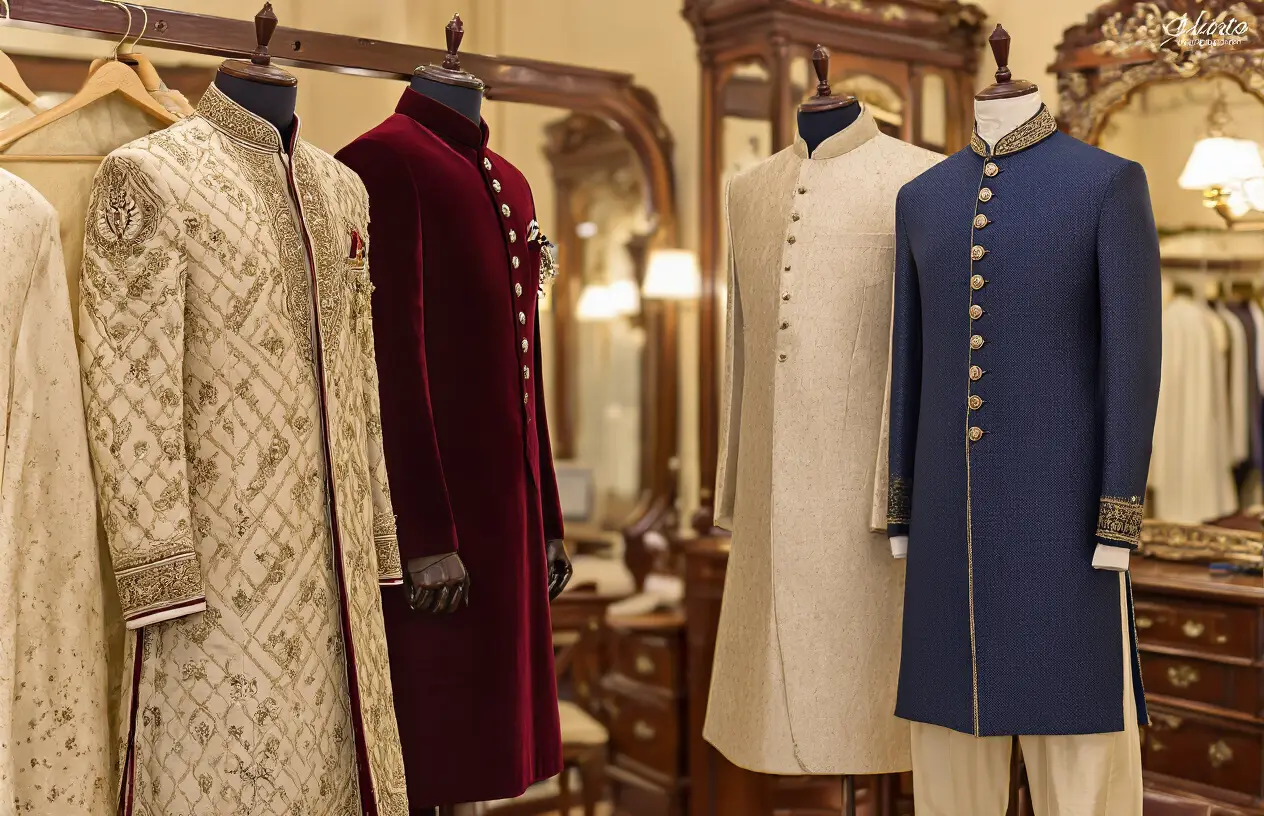
Classic straight-cut sherwanis for formal occasions
The classic straight-cut sherwani stands as the gold standard for formal ethnic wear, offering timeless elegance that never goes out of style. This traditional silhouette features a structured, linear design that falls straight from the shoulders to the hem, creating clean lines that work beautifully for weddings, religious ceremonies, and upscale cultural events.
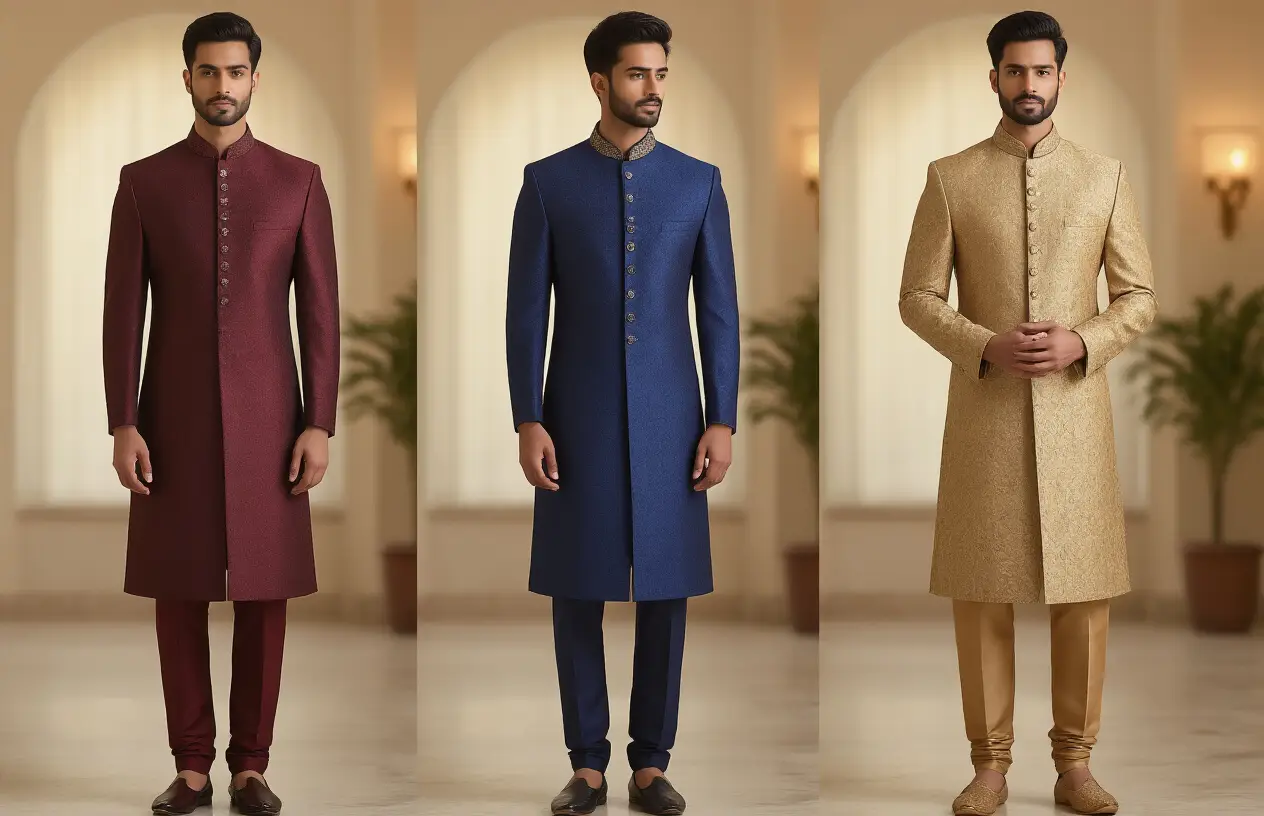
What makes this style particularly versatile is its universal flattering nature. The straight cut creates an illusion of height while maintaining a dignified appearance that suits most body types. For formal occasions, opt for rich fabrics like silk, brocade, or jacquard in classic colors such as ivory, deep maroon, or regal navy blue.
The beauty of this sherwani styling guide favorite lies in its understated sophistication. Pair it with matching churidar pants or straight-fit trousers, and you’re ready for any formal celebration. The collar can vary from band collar to Nehru style, depending on your personal preference and the occasion’s formality level.
Indo-western fusion styles for contemporary events
Modern men’s sherwani fashion has embraced fusion elements that blend traditional aesthetics with contemporary cuts. These innovative designs feature shorter lengths, asymmetrical hems, or modern collar styles that make them perfect for cocktail parties, engagement ceremonies, and progressive cultural events.
Fusion sherwanis often incorporate elements like:
- Nehru jacket overlays
- Asymmetrical button placement
- Modern lapel designs
- Shorter, blazer-inspired lengths
- Contemporary color combinations
These styles work exceptionally well when you want to honor tradition while embracing modern sensibilities. They’re particularly popular among younger men who appreciate traditional Indian menswear but prefer a more relaxed, contemporary approach to ethnic dressing.
Achkan-style sherwanis for elegant sophistication
The Achkan-style sherwani represents the pinnacle of royal elegance in ethnic wear styling guide preferences. Characterized by its longer length, fitted silhouette, and button-front closure extending to the waist, this style exudes aristocratic charm that’s perfect for grand celebrations and formal gatherings.
This sophisticated option typically features:
- Extended length reaching mid-thigh or knee
- Fitted waist with gradual flare
- High neckline with collar
- Intricate embroidery or minimal embellishments
- Traditional button closure
The Achkan works best for men with lean to athletic builds, as the fitted design accentuates the torso while the longer length creates an imposing, regal presence. Choose rich textures and subtle embellishments to maintain the style’s inherent elegance.
Short kurta sherwanis for casual celebrations
Perfect for relaxed festivities and casual ethnic occasions, short kurta sherwanis offer comfort without compromising style. These sherwani outfit ideas typically end at the hip or slightly below, making them ideal for family gatherings, religious festivals, and informal cultural events.
The shorter length provides several advantages:
- Enhanced mobility and comfort
- Suitable for warmer weather
- Less formal appearance
- Easy to style with various bottom wear options
- Perfect for younger men or casual occasions
Pair these with slim-fit churidars, straight pants, or even well-fitted jeans for a contemporary twist. The key to mastering how to style sherwani in this category lies in balancing the casual length with appropriate fabric choices and subtle detailing that maintains ethnic authenticity while offering modern comfort.
Mastering the Art of Color Coordination
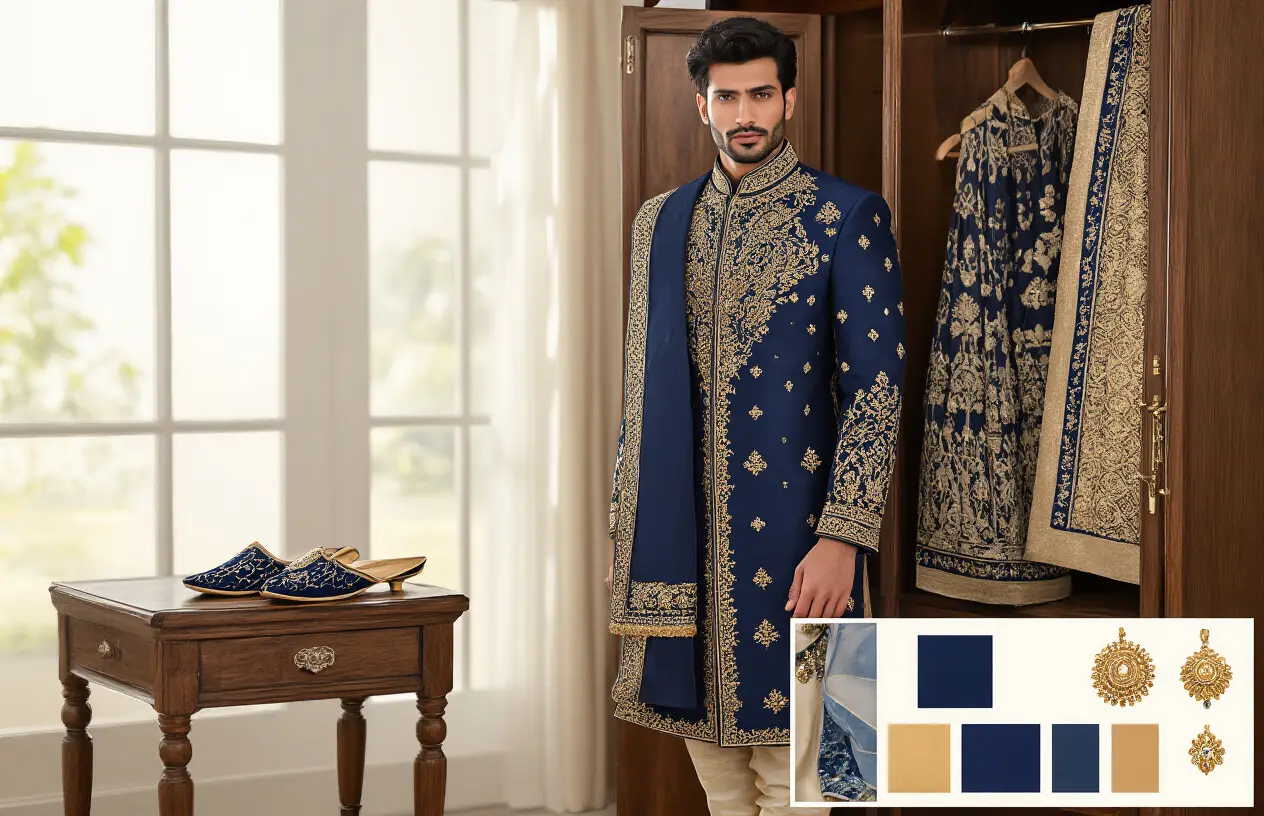
Selecting Colors That Complement Your Skin Tone
Your skin tone plays a huge role in determining which sherwani color coordination works best for you. Men with warm undertones should reach for rich jewel tones like deep emerald, royal navy, or warm burgundy. These colors make your natural warmth pop and create that perfect glow. Cool-toned guys look amazing in crisp whites, soft pastels, or cooler shades of blue and gray.
If you’re unsure about your undertone, check your wrist veins – green veins usually mean warm undertones, while blue or purple veins suggest cool undertones. Medium to dark skin tones can handle bold, vibrant colors beautifully, while lighter skin tones often shine in softer hues or classic neutrals.
Creating Stunning Monochromatic Looks
Monochromatic sherwani styling guide approaches create instant sophistication without much effort. Pick one color family and play with different shades and textures within that range. A navy sherwani paired with midnight blue churidar and steel blue dupatta creates depth while staying cohesive.
The trick lies in varying the intensity – combine a deep wine sherwani with lighter rose-colored bottoms, or match a cream sherwani with ivory accessories. This technique works especially well for formal occasions where you want to look polished but not overwhelming.
Balancing Bold Patterns with Neutral Accessories
When your sherwani features intricate embroidery or bold patterns, your accessories should take a back seat. Heavy brocade sherwanis pair perfectly with simple, solid-colored mojris and minimal jewelry. Let one statement piece shine – if your sherwani is heavily embellished, choose a plain dupatta and simple bottoms.
Conversely, plain sherwanis give you freedom to experiment with patterned scarves, ornate buttons, or decorative footwear. This men’s sherwani fashion principle keeps your overall look balanced rather than busy.
Seasonal Color Choices for Different Occasions
Spring and summer call for lighter, breathable colors – think pastels, whites, and soft blues. These shades reflect heat and keep you comfortable during outdoor ceremonies. Monsoon seasons work well with deeper blues and greens that won’t show water spots easily.
Winter allows for richer, heavier colors like deep maroons, forest greens, and golden yellows. Wedding seasons typically favor traditional colors like red, gold, and deep blues, while festival occasions welcome brighter, more celebratory hues like orange, pink, and emerald green.
Choosing the Right Bottom Wear to Complete Your Look
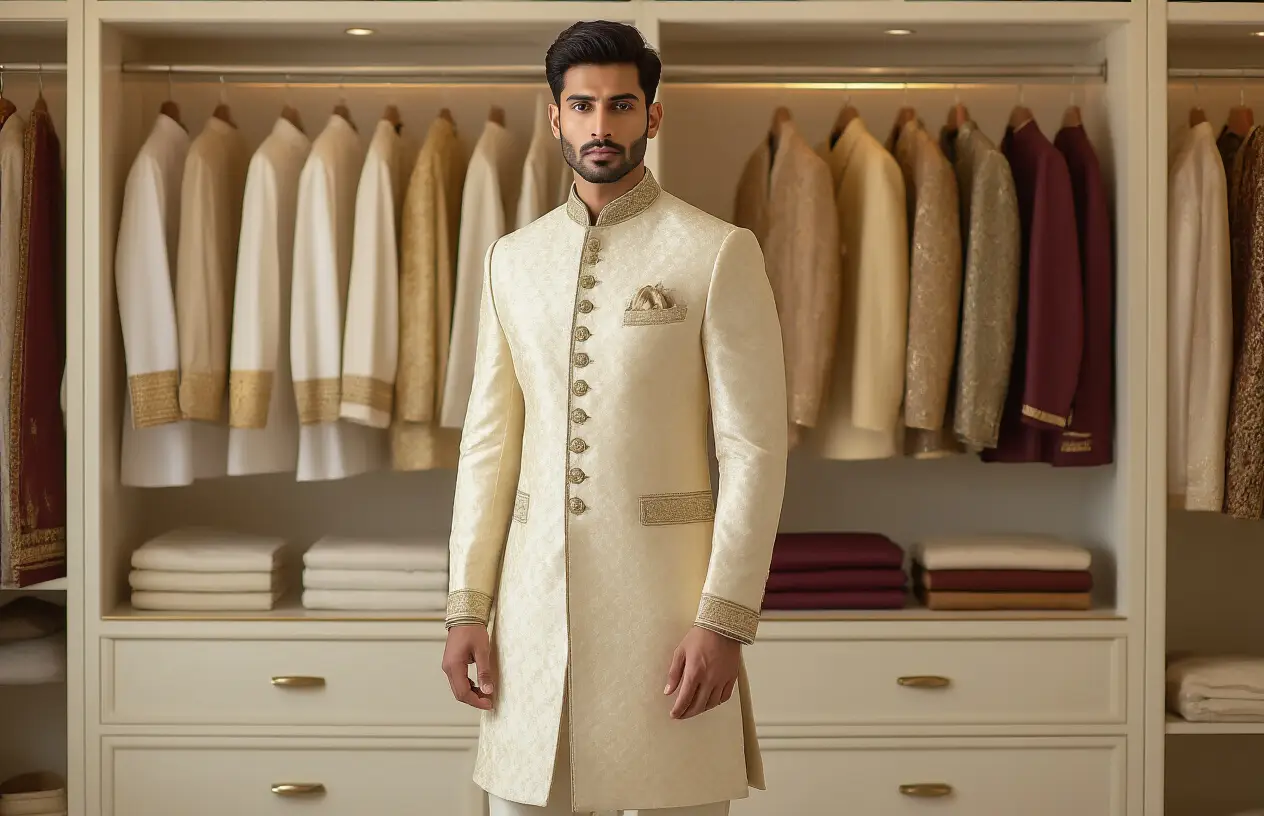
Traditional churidar for classic elegance
Churidar bottoms remain the gold standard for authentic sherwani styling, offering a refined silhouette that pairs beautifully with traditional Indian menswear. These fitted trousers gather at the ankles, creating distinctive wrinkles that add visual texture and cultural authenticity to your outfit.
The snug fit through the legs creates a clean, streamlined appearance that works particularly well with shorter sherwanis or those with intricate embroidery. Choose churidar in matching colors for formal occasions, or opt for contrasting shades to add visual interest. Cream churidar with a deep maroon sherwani creates a stunning combination, while white churidar paired with navy or black sherwanis delivers timeless sophistication.
Fabric choice matters significantly – cotton churidar works well for casual events, while silk or brocade versions elevate formal looks. The length should allow for proper gathering at the ankle without being overly bunched.
Straight pants for modern sophistication
Straight-cut trousers bring contemporary appeal to traditional sherwani outfit ideas, perfect for men who prefer a more relaxed fit without sacrificing elegance. This modern approach to sherwani styling guide principles works exceptionally well for younger wearers or less formal celebrations.
The streamlined silhouette of straight pants complements longer sherwanis beautifully, creating balanced proportions. Choose fabrics like cotton silk, linen blends, or lightweight wool for comfort and drape. The waistband should sit comfortably at your natural waist, with the hem hitting just above your shoe.
Color coordination becomes crucial with straight pants – neutral tones like beige, cream, or charcoal gray work universally well. For bold sherwanis, stick to understated bottom wear colors. Black straight pants paired with jewel-toned sherwanis create a striking modern look that maintains cultural elegance.
The key lies in proper tailoring – straight pants should follow your leg line without being too loose or tight. A slight taper toward the ankle adds sophistication without compromising comfort.
Dhoti pants for cultural authenticity
Dhoti-style pants offer the perfect blend of traditional aesthetics and modern comfort, making them an excellent choice for cultural celebrations and religious ceremonies. These wide-legged trousers feature a relaxed fit through the thighs that tapers dramatically at the ankles, mimicking the classic dhoti silhouette while providing practical wearability.
The draped appearance of dhoti pants adds movement and grace to your sherwani look, particularly effective for dance performances or extended celebrations. Choose lightweight fabrics like cotton or cotton silk that drape naturally and allow for easy movement.
Styling dhoti pants requires attention to proportions – they work best with fitted or semi-fitted sherwanis rather than loose cuts. The contrast between the structured top and flowing bottom creates visual interest while maintaining cultural authenticity.
Color selection should complement your sherwani without competing for attention. Traditional white or cream dhoti pants work universally, while colored versions in muted tones like dusty rose or sage green add subtle sophistication. Avoid busy patterns or heavy embellishments that might overwhelm the overall look.
For formal occasions, silk dhoti pants with subtle gold or silver detailing elevate the ensemble while maintaining traditional appeal.
Accessorizing Your Sherwani Like a Style Expert
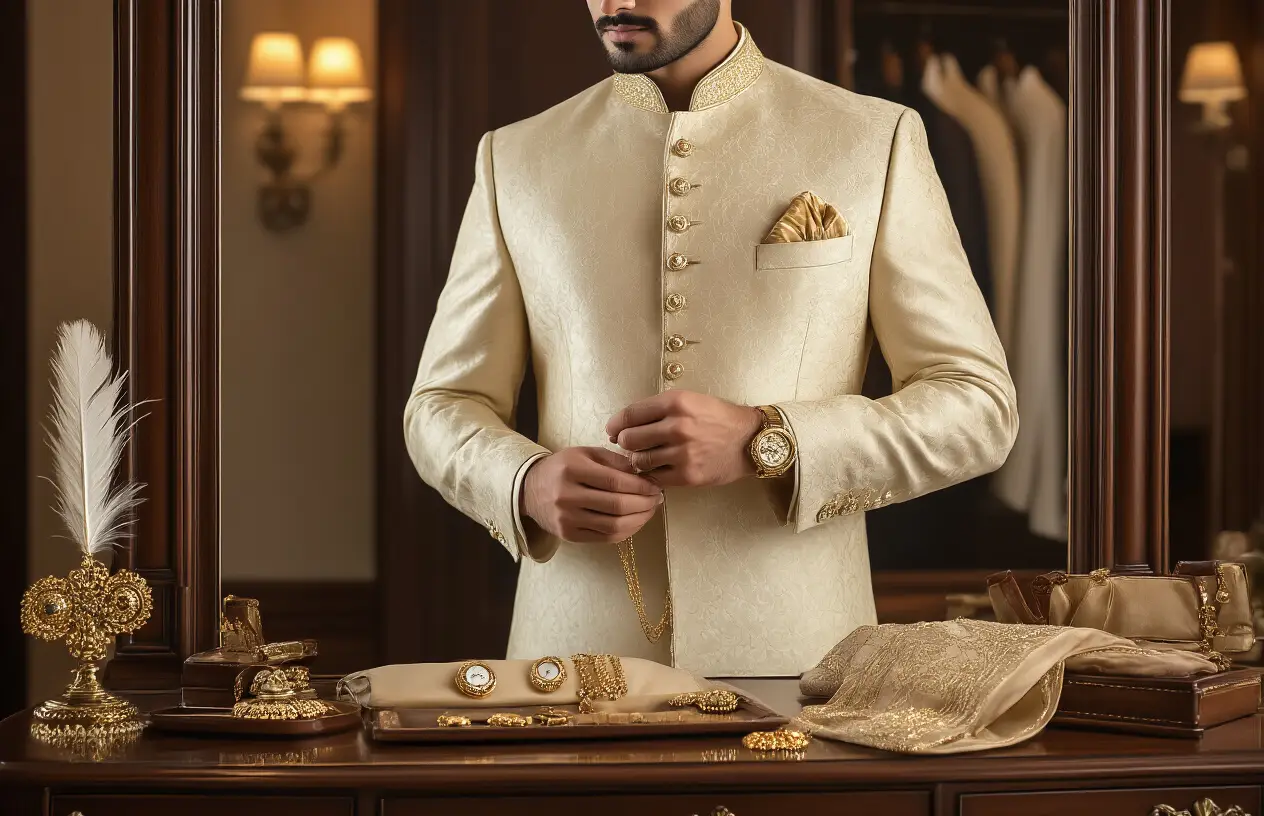
Selecting the Perfect Dupatta or Stole
A well-chosen dupatta or stole transforms your sherwani outfit ideas from ordinary to extraordinary. Choose fabrics that complement your sherwani’s texture – silk dupatta with brocade sherwanis, while lighter georgette works beautifully with cotton or linen pieces. The draping style matters just as much as the fabric choice.
For formal occasions, drape the dupatta over your left shoulder, letting it cascade elegantly down your back. Casual events allow for more relaxed draping – simply throw it around your neck with both ends hanging freely. Color coordination follows the same principles as your sherwani – contrast works for bold statements, while tonal matching creates sophisticated looks.
| Sherwani Style | Best Dupatta Choice | Draping Style |
|---|---|---|
| Heavy Brocade | Silk with minimal embellishment | Formal shoulder drape |
| Plain Cotton | Embroidered georgette | Casual neck throw |
| Embroidered Silk | Solid color silk | Single shoulder drape |
Choosing Footwear That Elevates Your Outfit
Your shoes can make or break your traditional Indian menswear look. Juttis remain the gold standard for authentic styling – their pointed toes and flat soles perfectly complement the flowing lines of sherwanis. Leather juttis in brown, black, or tan work with most color schemes, while velvet options with embroidery add luxury to wedding ensembles.
Mojaris offer slightly more support with their curved toe design and are perfect for longer events. For comfort-focused styling, consider leather loafers in rich brown or burgundy – they maintain elegance while providing better arch support. Avoid athletic shoes or casual sneakers entirely, as they clash with the formal nature of sherwanis.
Adding Statement Jewelry Without Overdoing It
Sherwani accessories for men require careful balance. A classic pocket watch chain instantly adds sophistication without overwhelming your look. Pair it with a simple ring – avoid multiple rings unless you’re going for an opulent royal aesthetic.
Necklaces work best when they complement your sherwani’s neckline. High-neck sherwanis pair beautifully with longer chains, while open collars can handle shorter, more prominent pieces. Keep metals consistent – mixing gold and silver rarely works unless intentionally designed that way.
Incorporating Pocket Squares and Brooches Effectively
Pocket squares add polish to sherwanis with breast pockets. Choose colors that echo your dupatta or complement your overall color scheme. Silk squares work best – fold them simply and let just a hint show above the pocket line. Avoid busy patterns that compete with embroidered sherwanis.
Brooches serve as excellent focal points, especially on plain sherwanis. Pin them to your left lapel or use them to secure your dupatta. Vintage-inspired pieces with pearls or colored stones work beautifully, but remember – one statement piece per outfit keeps your look refined rather than cluttered.
Grooming and Styling Tips for Maximum Impact
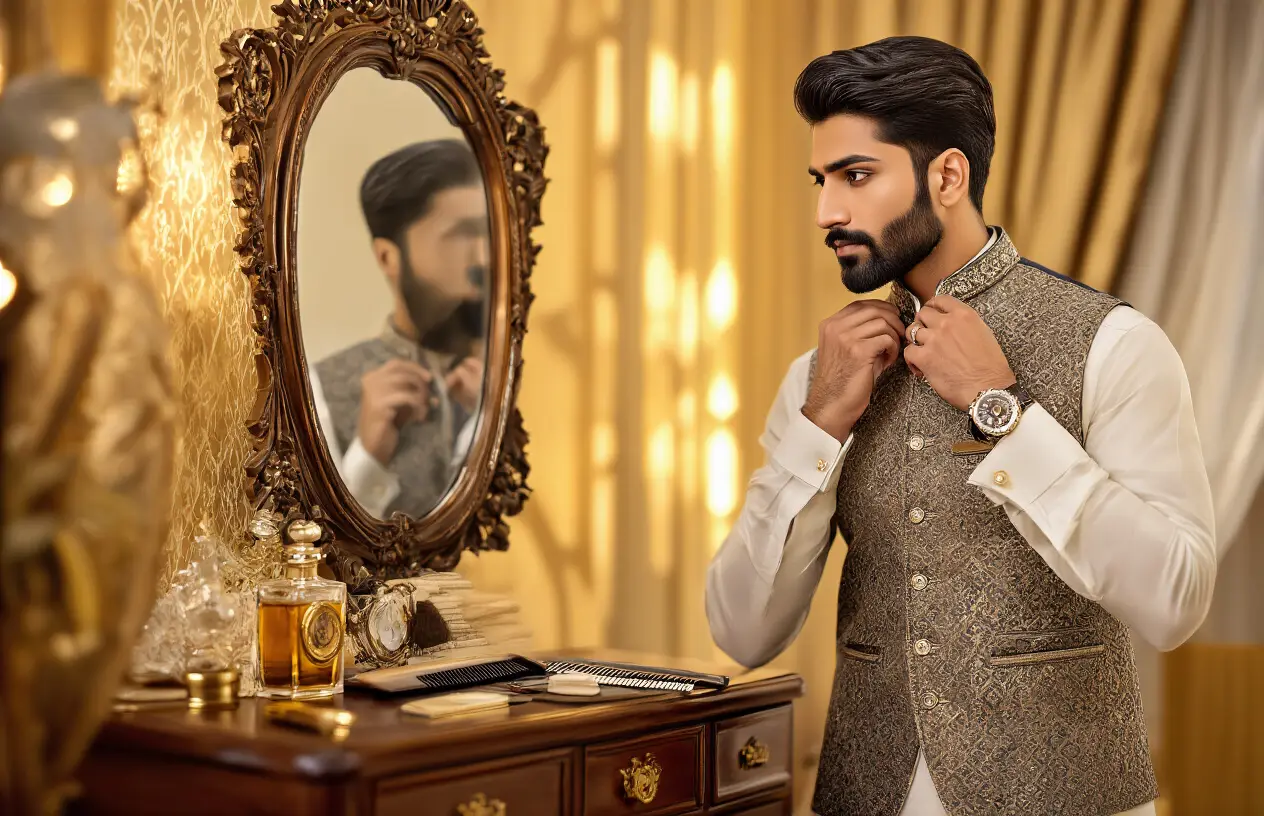
Hairstyles that complement your sherwani look
Your hairstyle plays a crucial role in completing your traditional look. Classic side-parted styles work beautifully with sherwanis, creating a sophisticated and timeless appeal. The clean lines of a well-defined side part complement the structured silhouette of your outfit perfectly.
For men with thick hair, consider a sleek back-combed style that adds height and creates a regal appearance. This works especially well with high-collar sherwanis. If you prefer something more contemporary, a textured quiff offers the perfect balance between modern and traditional aesthetics.
Those with curly or wavy hair should embrace their natural texture while keeping it well-groomed. A controlled, styled approach prevents your hair from competing with the ornate details of your sherwani. Avoid overly casual styles like messy looks or extreme fades, as they can clash with the formal nature of traditional Indian menswear.
Hair products become your best friend when styling for special occasions. A quality pomade or styling cream helps maintain your chosen look throughout long celebrations. Remember that your hairstyle should frame your face beautifully while allowing your sherwani’s neckline to shine.
Facial hair grooming for a polished appearance
Well-groomed facial hair can elevate your entire sherwani styling guide approach. A neatly trimmed beard creates strong, masculine lines that complement the structured nature of traditional wear. The key lies in maintaining clean edges and proper length proportions.
For men with full beards, regular trimming every few days keeps the shape intact. Pay special attention to the neckline and cheek areas – these define your overall look. A professional barber visit before important events ensures precision that’s hard to achieve at home.
Clean-shaven looks work exceptionally well with sherwanis, especially for daytime events or younger men. The smooth, polished appearance allows the focus to remain on your outfit’s intricate details and accessories.
If you sport a mustache, keep it well-defined and proportionate to your face shape. Avoid overly elaborate styles that might distract from your overall appearance. The goal is to create harmony between your facial hair and the elegance of your traditional ensemble.
Don’t forget about eyebrow grooming – clean, well-shaped brows frame your eyes and add to the polished look that complements your sherwani perfectly.
Fragrance selection for lasting impressions
The right fragrance becomes the invisible accessory that completes your sherwani outfit ideas. Traditional Indian scents like sandalwood, rose, or jasmine create an authentic connection to your cultural ensemble. These classic fragrances have been associated with special occasions for generations.
Woody and spicy fragrances work particularly well with rich, heavy fabrics commonly used in sherwanis. Scents with notes of cardamom, saffron, or oud add depth and sophistication that matches the grandeur of your outfit. Avoid light, citrusy fragrances that might feel too casual for formal traditional wear.
Application technique matters as much as fragrance choice. Apply to pulse points – wrists, neck, and behind ears – about 15-20 minutes before getting dressed. This allows the scent to settle and blend with your natural oils, creating a more sophisticated presence.
Consider the event duration when selecting intensity. Wedding celebrations that last several hours call for longer-lasting fragrances, while shorter events allow for lighter applications. The goal is to create a subtle, memorable impression that enhances rather than overwhelms your presence.
Quality matters more than quantity. Invest in a signature scent that becomes part of your personal style, especially for traditional occasions where you want to make lasting memories.
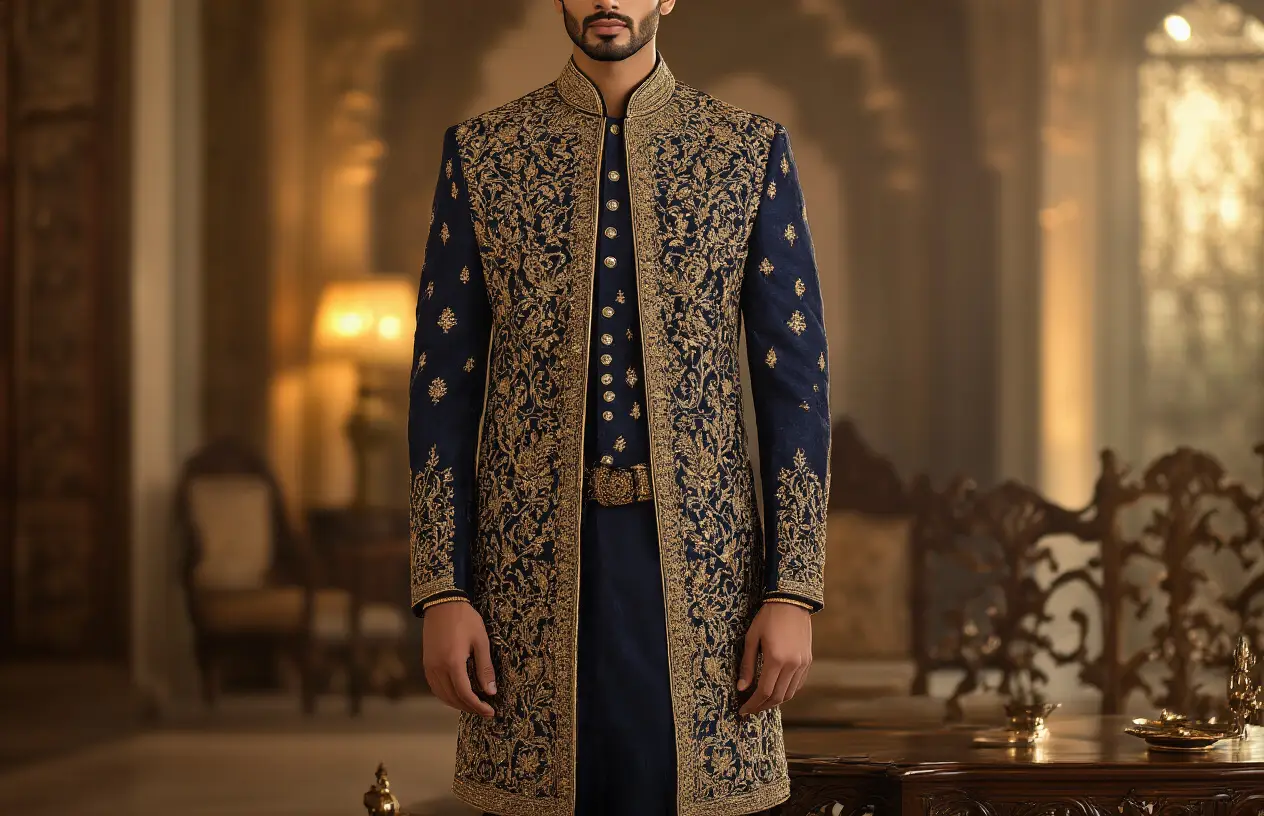
Finding the perfect sherwani look doesn’t have to feel overwhelming. When you know your body type, understand the classic styles, and master color coordination, you’re already halfway to looking incredible. The right bottom wear and thoughtful accessories can transform a good outfit into something truly memorable, while proper grooming adds that final polish that sets you apart from the crowd.
Your sherwani is more than just traditional wear – it’s your chance to showcase your personal style while honoring timeless elegance. Start with one element you feel confident about, whether that’s choosing colors that complement your skin tone or selecting accessories that reflect your personality. Practice these styling techniques before your next special occasion, and you’ll step out knowing you look your absolute best. Remember, confidence is your most important accessory, and when you feel good in what you’re wearing, it shows.